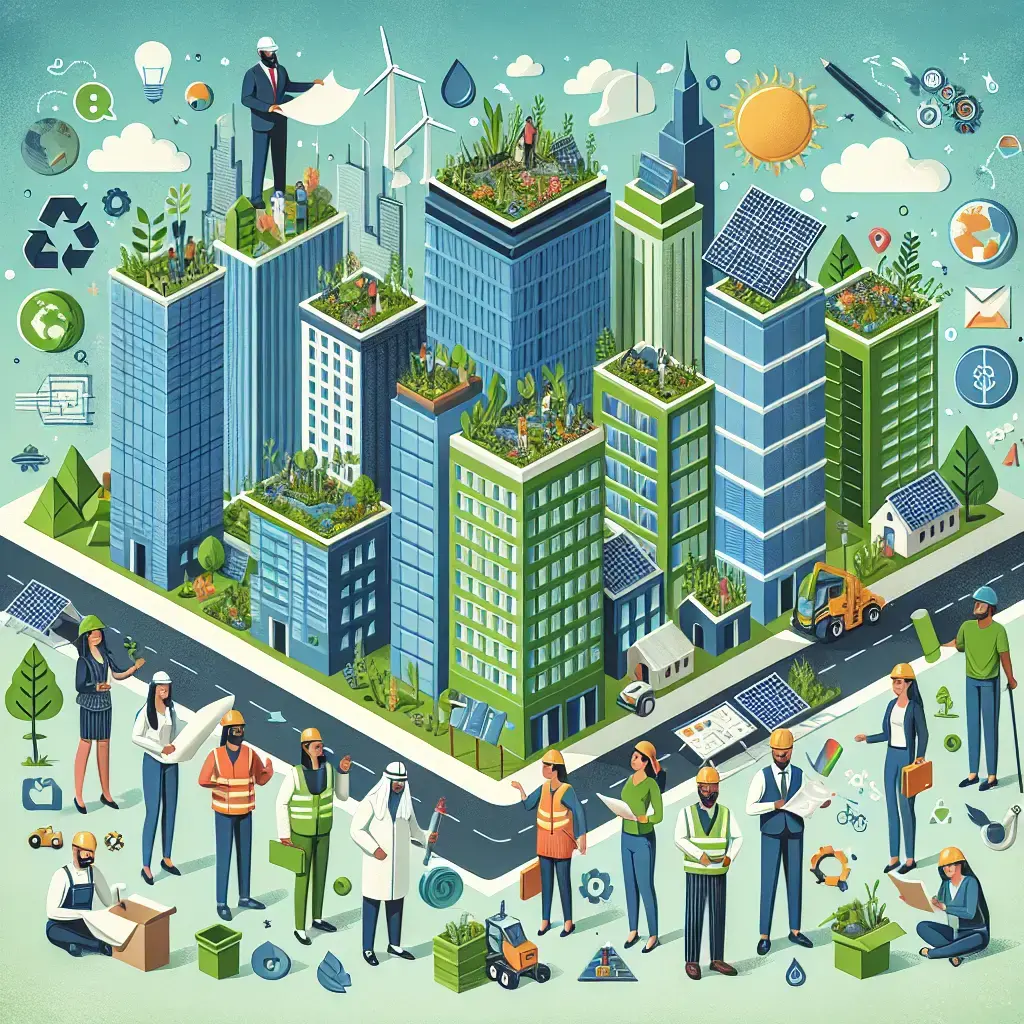
In today's rapidly evolving real estate landscape, the push towards sustainability is more pronounced than ever. Emerging trends in sustainable real estate development are not only reshaping how we think about buildings but are also setting new benchmarks for environmental responsibility and innovation. As we look at sustainable real estate trends in 2023, it's clear that eco-friendly building practices are at the forefront of this transformation.
The Rise of Eco-Friendly Building Practices
Eco-friendly building practices are revolutionizing how developers approach new projects. These practices prioritize the use of renewable energy sources, energy-efficient designs, and sustainable construction materials. By reducing carbon footprints and enhancing the long-term viability of investments, these techniques have become highly desirable. A recent Insider Today report highlights that sustainable features are now a status symbol in high-end developments, reflecting a shift in consumer priorities.
Green Building Innovations and Renewable Energy Integration
The integration of renewable energy in real estate projects sets new benchmarks for environmental responsibility. Increasingly, developers incorporate solar panels, wind turbines, and geothermal systems into their designs. For example, New Jersey's initiative to become an AI epicenter includes tax incentives for data centers powered by renewable energy, demonstrating a commitment to sustainable urban development.
Additionally, the trend of associating luxury brand names like Porsche and Nobu with condominium buildings exemplifies the fusion of luxury and sustainability. These collaborations not only enhance brand appeal but also promote sustainable architecture and green construction materials in premium properties, as identified by NPR's Adrian Ma.
The Impact of New Real Estate Rules on Sustainable Practices
Recent changes in real estate regulations are set to influence sustainable practices across the industry. According to NPR, these rules streamline the homebuying process while emphasizing transparency in real estate transactions. This shift is expected to drive greater investment in energy-efficient buildings and LEED-certified projects as buyers become more informed about the benefits of sustainable property investments.
Smart Home Technology and Carbon-Neutral Buildings
Smart home technology is vital in achieving carbon-neutral buildings. These technologies enhance energy efficiency by allowing residents to monitor and control their energy consumption in real-time. The integration of smart thermostats, energy-efficient lighting, and automated systems reduces overall energy usage, aligning with sustainable real estate trends in 2023.
A Forbes study highlights that properties with smart home features tend to have higher market values and lower operational costs, making them attractive investments for buyers and developers.
Sustainable Property Investment: A Growing Trend
Sustainable property investment has gained significant traction as investors recognize the long-term value of eco-friendly developments. Properties adhering to LEED certification trends offer reduced operational costs and a buffer against future regulatory changes aimed at curbing carbon emissions.
Whitney Elkins-Hutten, a successful real estate investor featured in Business Insider, emphasizes the importance of evaluating sustainability factors when selecting investment properties. She notes that energy-efficient buildings with robust sustainability credentials tend to attract stable tenants and provide better returns over time.
Climate-Resilient Real Estate Development
As cities grapple with climate change, climate-resilient real estate development is becoming crucial for developers. Projects designed to withstand environmental challenges are prioritized, ensuring they remain viable in changing climates.
An analysis by The Economist underscores the risks faced by commercial real estate due to climate-related disruptions. Developers must create sustainable housing solutions that thrive under adverse conditions, incorporating innovative design elements that enhance resilience without sacrificing comfort or functionality.
Case Studies and Real-World Examples
Consider a luxury condo development in Miami branded by Porsche. This project integrates state-of-the-art smart home technology and a sophisticated renewable energy system powering common areas and amenities. Such developments exemplify the synergy between luxury branding and sustainability, offering a blueprint for future projects.
Similarly, New Jersey's AI-driven data centers showcase how targeted tax incentives can spur sustainable urban development by encouraging investment in green infrastructure.
Conclusion: Embracing a Sustainable Real Estate Future
The drive toward sustainable real estate development reshapes industry standards and sets new benchmarks for environmental responsibility and investment viability. Key points include:
Eco-Friendly Building Practices: Adoption of renewable energy sources, energy-efficient designs, and sustainable construction materials to reduce carbon footprints.
Green Building Innovations: Integration of renewable energy systems into real estate projects and luxury branding to boost the appeal of sustainable architecture.
New Real Estate Rules: Regulatory changes promoting transparency and investment in energy-efficient, LEED-certified projects.
Smart Home Technology: Use of smart technologies to achieve carbon-neutral buildings, enhancing energy efficiency and market value.
Sustainable Property Investment: Recognition of the long-term value offered by eco-friendly developments.
Climate-Resilient Development: Prioritization of projects designed to withstand climate change.
As we envision the future of sustainable real estate, integrating eco-friendly practices, innovative technologies, and climate resilience will redefine our built environment. This green revolution not only meets present demands but also lays the foundation for a more responsible and resilient real estate landscape.
Consider how these trends might influence your next investment or development project. Reflect on your role in advancing this sustainable transformation. Your insights could be invaluable to others navigating this evolving sector. Please feel free to share them in the comments or reach out for further discussion.
By embracing sustainability in real estate, we collectively craft a world that meets today's needs without compromising future generations' ability to meet theirs. Join this movement and contribute to a legacy that will transform how we live, work, and invest.
Author: Katrina Sullivan